Passover Medications: Which Prescriptions and OTCs Are Kosher for Pesach
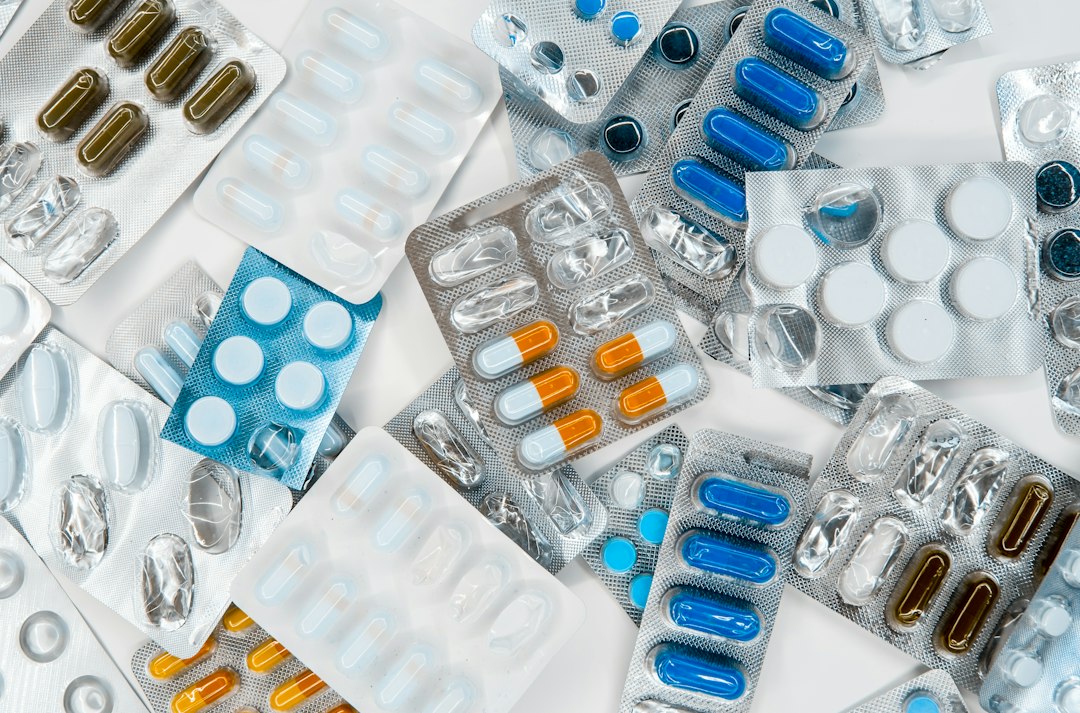
As we prepare for Passover, a time of profound reflection and joyous celebration, our thoughts naturally turn to ensuring every aspect of our homes and lives is ready for the holiday. For many, this includes a thorough spring cleaning and a meticulous search for chametz, the leavened grain products forbidden during Pesach. But what about our daily essentials? Specifically, have you ever found yourself wondering about your prescription drugs and over-the-counter remedies? It’s a common question I hear frequently: "Are my **kosher for Passover medications** actually kosher for Passover?"
The good news is that navigating the complexities of medication during Pesach doesn't have to add unnecessary stress to your holiday preparations. As an expert in navigating these practical challenges, I'm here to demystify which prescriptions and OTCs are generally acceptable and what considerations you should keep in mind. My goal is to help you enjoy a healthy and spiritually fulfilling Passover without compromising your well-being or your observance.
Navigating Your Passover Medications: Understanding the Core Principles
When we talk about Passover, the primary concern regarding food and drink revolves around chametz – products made from wheat, barley, rye, oats, or spelt that have come into contact with water and been allowed to rise. This prohibition is central to the holiday. However, medications often fall into a different category than food.
Halachic (Jewish legal) authorities generally agree that most pills and tablets are not considered food. They are typically swallowed without being chewed, have no pleasant taste, and their purpose is medicinal, not nutritional. This distinction is crucial. Furthermore, the amount of chametz, if present in a binding or filler, is usually minuscule and has undergone significant chemical change, rendering it unrecognizable as actual chametz. This concept is often referred to as "bitul" (nullification).
Is My Medication Chametz? Diving Deeper into Ingredients
So, how do you determine if your specific medication might pose a problem? The key lies in understanding the form of the medication and its primary purpose.
* **Standard Pills and Tablets:** For the vast majority of swallowed pills and capsules, even if they contain a chametz derivative like starch (which can be derived from wheat), they are generally permitted. The reason, as mentioned, is that they are not food, and the chametz component is either insignificant, chemically altered, or both. You wouldn't take a pill for its taste! This applies to most common prescriptions for blood pressure, diabetes, thyroid conditions, and pain relievers.
* **Liquid Medications and Syrups:** This is where things can get a bit trickier. Liquid medications often contain alcohol (which can be grain-derived) or corn syrup as a base, sweetener, or preservative. While corn syrup is kitniyot (legumes and grains like corn, rice, peas, millet, lentils, and beans, which are forbidden by Ashkenazi custom but not actual chametz), alcohol derived from grain is chametz. If the medication is life-sustaining or critically important, it should be taken regardless. If it's for a minor ailment and an alternative exists, seeking a non-chametz option or rabbinic guidance is advisable.
* **Chewable Tablets and Flavored Medications:** These are usually treated more strictly because they are designed to be palatable and resemble food. If your child's medication is a flavored chewable, or if you take a flavored antacid, it's best to check for Kosher for Passover certification or consult a rabbi if no alternative is available.
* **Injections, Suppositories, and Topicals:** Medications administered via injection, suppositories, creams, or patches are generally not an issue for Passover. Since they do not involve oral consumption, the laws of chametz do not apply to them.
Crafting Your Personalized Passover Medicine List: Practical Steps
Preparing for Passover involves a bit of proactive planning, especially concerning your health needs. Here are some actionable steps you can take:
1. **Review Your Medication List Early:** About 2-3 weeks before Passover, sit down with your complete list of prescription and over-the-counter medications.
2. **Identify Critical Medications:** Mark any medications that are essential for your health and cannot be skipped. For these, your health always takes precedence.
3. **Check Ingredients for Liquid/Chewable Forms:** If you or a family member take liquid, chewable, or flavored medications, scrutinize the ingredient list. Look for "alcohol" (especially if it doesn't specify "denatured" or "synthetic") or "starch" in chewables.
4. **Seek Kosher for Passover Alternatives (for Non-Essentials):** For items like vitamins, supplements, antacids, or minor pain relievers that are not critical, explore Kosher for Passover certified options. Many companies now produce Pesach-friendly versions of popular products.
5. **Consult Your Pharmacist:** Pharmacists can be invaluable resources. They can often provide a list of ingredients and sometimes even suggest alternative formulations that might be more suitable for Passover.
6. **Talk to Your Doctor:** If you're considering switching a medication due to Passover concerns, always discuss it with your prescribing physician first. Never discontinue or alter prescription medication without medical advice.
Important Exceptions and When to Seek Rabbinic Guidance
The overarching principle in Jewish law concerning health is "Pikuach Nefesh," the preservation of life. If a medication is necessary to sustain life, prevent severe illness, or alleviate significant pain, it must be taken, regardless of its chametz status. Your health and well-being are paramount. Do not compromise your health for the sake of religious stringency.
However, for non-life-threatening conditions, or if you're still unsure after reviewing ingredients, consulting a qualified rabbi is always the best course of action. Rabbis are trained in halacha and can offer specific guidance tailored to your situation and the particular medication in question. They can help you understand nuances that may not be immediately obvious. It's truly a partnership between you, your doctor, and your rabbi to ensure a healthy and halachically sound Passover.
A Healthy and Kosher Passover: Prioritizing Your Well-being
Preparing for Passover can be a busy time, but ensuring your health needs are met should always be a top priority. While the concern about **kosher for Passover medications** is legitimate, remember that most essential prescriptions and over-the-counter pills are generally permissible. It's primarily the liquid, chewable, or highly flavored varieties that warrant closer inspection.
By taking a proactive approach, reviewing your medicine cabinet, and not hesitating to consult your doctor or rabbi, you can approach the holiday with peace of mind. Let's make this Pesach a time of joy, health, and spiritual growth for everyone. If you have specific questions or need further guidance, reach out to your local rabbinic authority well in advance of the holiday.
